Writings · Philosophy — 13 min read
Roland Barthes and the Wound of Photography
An exploration of Roland Barthes' idea of the punctum and why certain photographs wound us. A meditation on memory, love, absence, mortality and the mysterious power of images.
By Kobi Israel · · 13 min
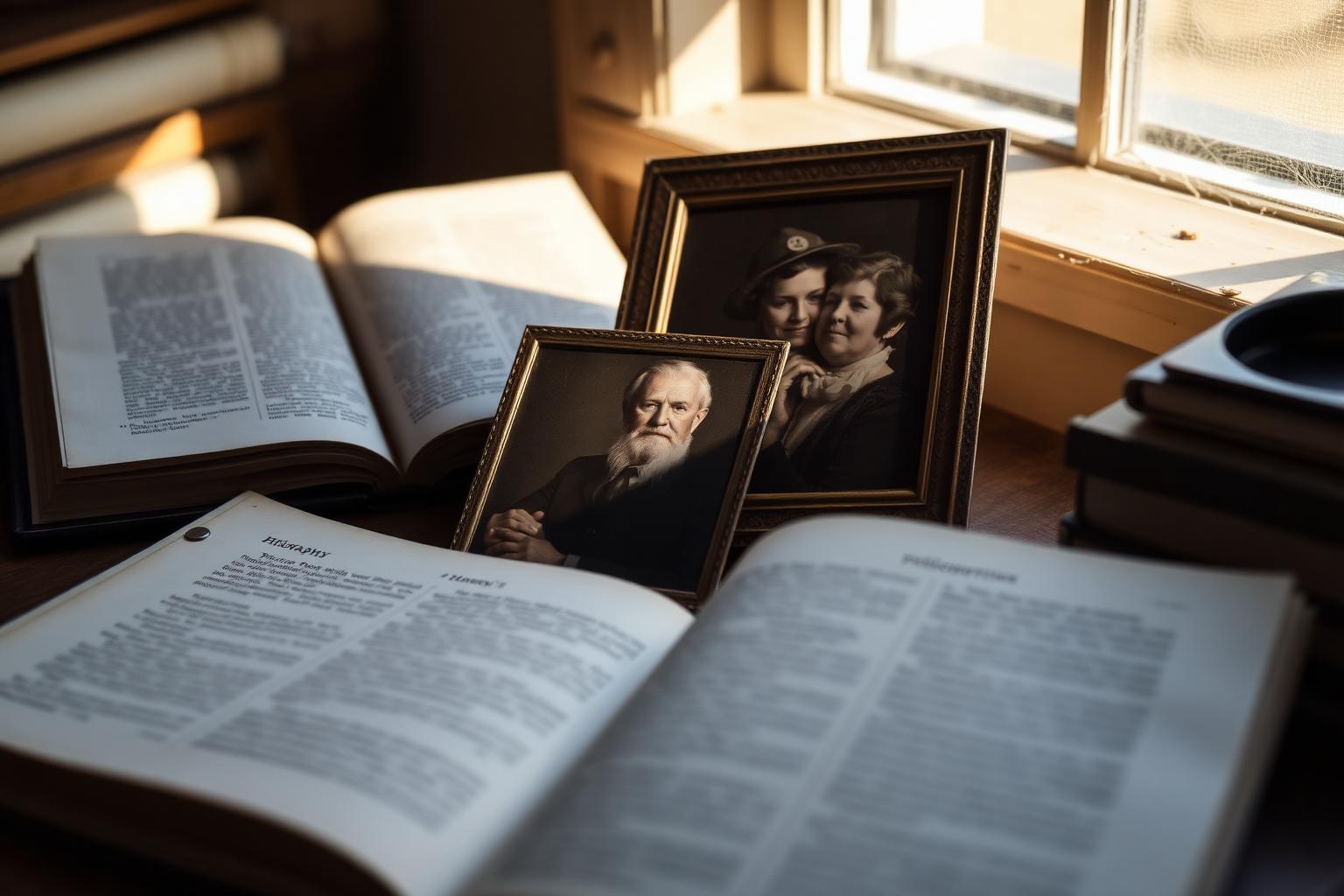
A photograph of my mother sits on my desk. Nothing remarkable is happening in the image. She is standing in a garden. The light is ordinary. The composition unremarkable. The photograph would mean very little to anyone else. Yet whenever I look at it, something catches. Not my attention. Something deeper. The image interrupts thought.
The interruption is difficult to explain. I have seen technically superior photographs. More beautiful photographs. More important photographs. Yet this image possesses a power entirely unrelated to aesthetics. It wounds. Not dramatically. Quietly. Persistently. Like a memory refusing disappearance.
Years ago, while reading Roland Barthes' Camera Lucida, I encountered a concept that gave language to this experience. Barthes called it the punctum. The word derives from the Latin for a prick, a sting, a wound. The punctum is the detail within a photograph that unexpectedly pierces the viewer. Not everyone notices it. Not everyone notices the same thing. The punctum is personal. Private. Unpredictable. It cannot be manufactured reliably. It happens. A photograph enters the viewer and refuses to leave.
The idea fascinated me because it shifted attention away from photography itself. The punctum is not located entirely within the image. Nor entirely within the observer. It emerges between them. A collision. A meeting. A brief electrical connection between photograph and memory.
This explains why two people can look at the same image and experience entirely different reactions. One sees a historical document. Another sees a wound. The photograph remains unchanged. The observer provides the opening.
For years I misunderstood photography. Like many photographers, I focused on composition, light, timing and technique. These elements matter. They shape the image. They influence perception. Yet the photographs that remain with us often survive for reasons unrelated to craft.
A blurred photograph may wound. A poorly exposed photograph may wound. An accidental photograph may wound. The image succeeds because it touches something invisible. Something already waiting.
Several years ago, while examining family archives, I encountered a photograph of a relative who had died long before I was born. I knew almost nothing about him. The image itself appeared ordinary. Yet one detail caught my attention. Not his face. His hand. The way it rested against a doorway.
The detail seemed insignificant. And yet it would not leave me alone. Days later I was still thinking about it. Why? The answer remained elusive. Eventually I realised that the hand resembled my own father's hand. Not exactly. Enough. The photograph had established an unexpected bridge. Across decades. Across generations. Across absence.
The punctum was not the hand itself. The punctum was the connection. The photograph had discovered something memory had overlooked.
This is what Barthes understood with unusual precision. Photographs often reveal relationships we do not consciously recognise. The image becomes a site of discovery. Not discovery about the world. Discovery about ourselves. The photograph exposes hidden emotional architecture. A detail becomes significant. The significance surprises us. The surprise reveals something.
Photography therefore operates differently from most forms of visual communication. A painting presents an interpretation. A photograph presents evidence. The punctum transforms evidence into intimacy. The image ceases being informational. It becomes personal. This transformation remains mysterious. No algorithm can predict it. No photographer can fully control it. The punctum belongs partly to chance. Partly to biography. Partly to memory. Partly to love.
This last element appears especially important. Many of the photographs that wound us are connected to affection. A parent. A child. A friend. A lover. Someone absent. Someone changed. Someone gone. The photograph becomes a meeting place between love and time. The wound emerges where those two forces intersect.
Perhaps this explains why photographs often become more powerful as years pass. Time deepens the wound. Not because the image changes. Because relationships evolve. A photograph initially viewed with indifference may become devastating decades later. The image waits. Life supplies meaning. The photograph remains patient.
Roland Barthes experienced this profoundly after the death of his mother. Searching through family photographs, he discovered an image known as the Winter Garden Photograph. The reader never sees the image. Barthes refuses to reproduce it. This decision has always fascinated me. The most important photograph in Camera Lucida remains invisible. Why? Because its significance was inseparable from his personal relationship. The photograph mattered not because of what it showed. Because of what it revealed to him. The punctum could not be transferred. The wound belonged specifically to Barthes.
The lesson remains profound. The most meaningful photographs are often impossible to explain fully. We can describe them. Analyse them. Interpret them. Yet something remains inaccessible. The photograph touches a place language cannot entirely reach.
This may be why photography and memory remain so closely linked. Both operate through fragments. Both resist complete explanation. Both preserve traces rather than totalities. A memory survives. A photograph survives. Meaning emerges in the space between them.
Several years ago I found myself looking repeatedly at a photograph I could not understand. The image showed an empty room. No people. No obvious subject. No dramatic event. And yet I kept returning. Eventually I realised why. The room resembled one from childhood. Not precisely. Emotionally. The image had activated a forgotten atmosphere. A sensation rather than a recollection. The punctum was not visual. It was psychological. The photograph had wounded memory itself.
This experience changed the way I thought about photography. I stopped asking whether photographs were good. I started asking whether they remained alive. Certain photographs continue generating meaning. Others do not. The difference rarely depends upon technical excellence. It depends upon emotional resonance. The image survives because it continues asking questions. The wound remains open.
Perhaps this is why photography occupies such a unique place in human culture. Photographs are not merely pictures. They are emotional devices. Machines for transporting fragments of reality across time. Most arrive safely. A few arrive carrying wounds.
The remarkable thing is that we continue welcoming them. We continue opening albums. Searching archives. Revisiting images. Despite knowing that certain photographs will hurt. Perhaps because of it. The wound proves that the connection survived. The photograph hurts because something mattered. The image wounds because love once occupied the world. And because some trace of that love remains visible. Years after the moment disappeared. Years after the people changed. Years after reality moved elsewhere.
The photograph remains. Waiting. A small rectangle of paper. A digital file. A fragment of light. And sometimes, if we are unlucky or fortunate enough, a wound.
Parallax Letters
Receive new investigations by post.
Related Essays