Writings · Photography — 13 min read
The Last Photograph
A meditation on photography, mortality and time. Why do ordinary photographs become extraordinary when we discover they were the last image ever taken of someone we loved?
By Kobi Israel · · 13 min
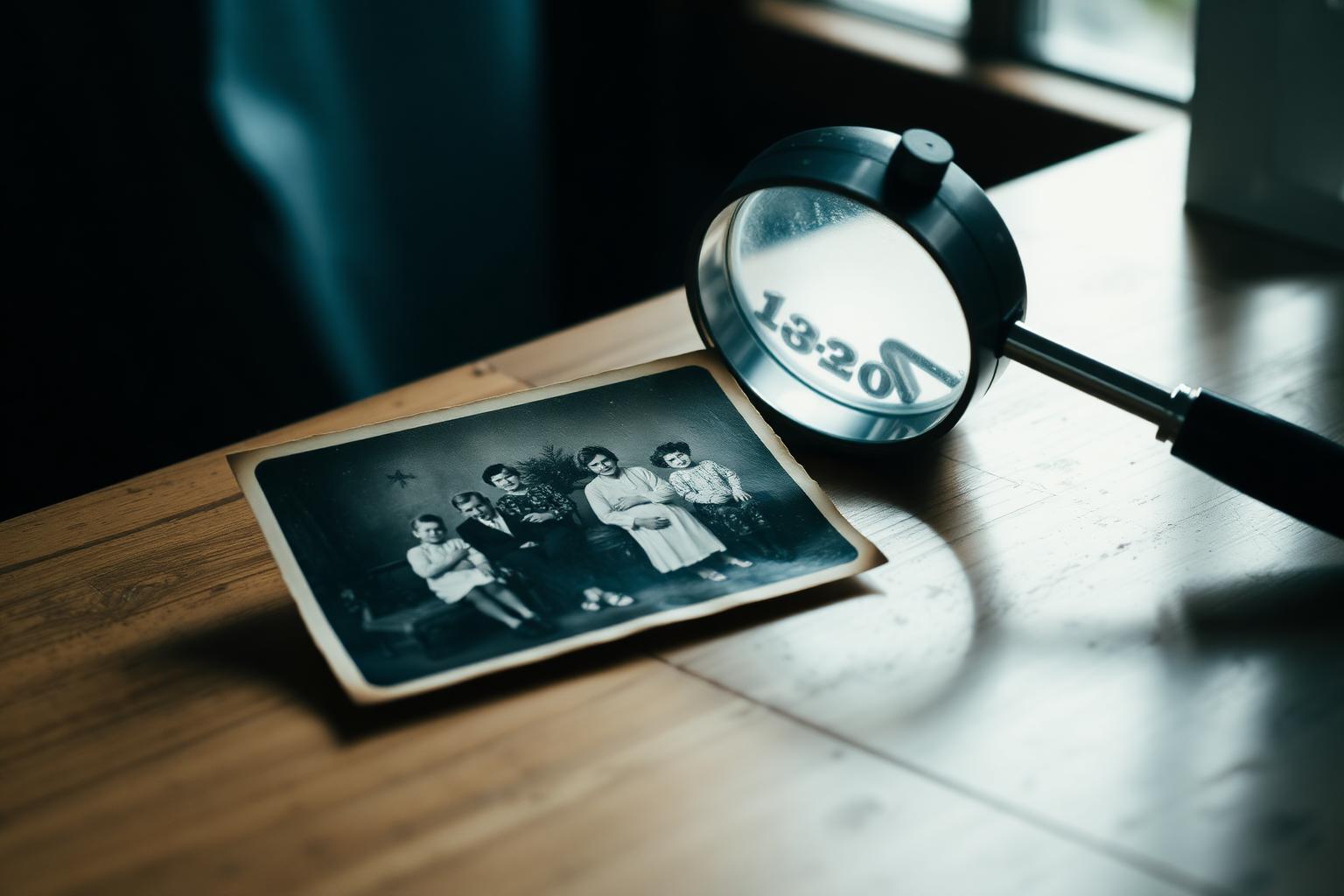
The last photograph is never recognised at the moment it is taken. If it were, we would photograph differently. We would frame more carefully. We would look longer. We would hesitate before lowering the camera. Perhaps we would not take the photograph at all.
The last photograph derives its power from ignorance. The photographer does not know. The subject does not know. The future remains invisible. Only later does the image reveal what it has become. A final encounter. A final appearance. A final trace. The photograph remains unchanged. Everything around it transforms.
I first became aware of this phenomenon while looking through family archives. Among the photographs were countless images that appeared entirely ordinary. A relative standing in a garden. Someone drinking coffee. A family gathering. A person waving from a doorway. Nothing distinguished these images from the hundreds surrounding them.
Yet one detail altered everything. The people in the photographs were gone. The image I was looking at had become their final photograph. Not the last photograph in existence perhaps. But the last photograph available to me. The final visual evidence of a life.
The transformation felt astonishing. The photograph itself contained no indication of its future significance. It did not appear solemn. It did not appear historical. It simply appeared ordinary. The ordinariness made it devastating.
We often imagine important moments announcing themselves. Experience suggests the opposite. Life disguises its turning points. The last conversation rarely sounds like a farewell. The final visit rarely feels final. The last embrace rarely carries visible significance. Meaning arrives later. Photography preserves this delay. The image records an ordinary present. The viewer encounters an extraordinary past. The gap between the two creates emotional force.
Every photograph therefore exists in two temporalities. The moment it was taken. The moment it is viewed. The first belongs to the subject. The second belongs to the observer. The distance between them continues expanding. Time enters the image. The photograph changes without changing.
This paradox fascinates me. A photograph taken on an ordinary Tuesday afternoon can become one of the most important objects in a family's possession. Not because of what it shows. Because of what happens afterwards. The image accumulates meaning through survival. Time develops photographs in ways chemistry never could.
Roland Barthes encountered this phenomenon repeatedly while examining photographs after the death of his mother. He realised that every photograph contains a future loss. The image confirms existence. The image anticipates absence. The contradiction remains invisible until reality catches up.
Perhaps every photograph contains a countdown hidden within it. Not a countdown visible to the eye. A countdown visible only in retrospect. The child becomes an adult. The adult becomes elderly. The elderly become memory. The photograph remains. Waiting.
The waiting interests me. Photographs are patient objects. They remain silent for decades before revealing their significance. An image ignored for years suddenly becomes essential. A photograph overlooked in an album becomes irreplaceable. The object has not changed. The context has.
Several years ago I found myself studying a photograph of someone I loved. The image itself was unremarkable. The person was sitting beside a window. Light entered the room gently. Nothing dramatic was occurring. Had I seen the photograph on the day it was taken, I would have glanced at it briefly and moved on. Instead, I looked for nearly an hour. The photograph had become the last.
The transformation felt impossible to explain. The image now contained two people. The person visible in the photograph. And the person absent from the world. Both occupied the same frame.
This may be photography's most extraordinary ability. The camera records presence. The photograph accumulates absence. The two coexist indefinitely.
Photography therefore challenges our understanding of time. Most experiences move from present to past. Photographs move differently. The image remains present while the subject recedes into history. The photograph becomes a meeting place between different temporal realities. The living viewer encounters the past directly. Not metaphorically. Visually.
The face remains visible. The voice has vanished. The expression remains. The life has moved elsewhere. The image occupies a border between existence and memory.
Perhaps this explains why photographs often feel haunted. Not because they contain ghosts. Because they contain evidence. Evidence that someone stood beneath a particular light on a particular day. Evidence that the world once looked different. Evidence that time continues moving in only one direction.
The last photograph intensifies this evidence. The image acquires a responsibility it never sought. It becomes the final witness. The final testimony. The final visual conversation. The burden can feel immense.
And yet the photograph remains stubbornly ordinary. A smile. A glance. A gesture. The image refuses dramatic interpretation. Its power emerges precisely because nothing appears unusual. Life continued normally until it didn't. The photograph preserves this normality.
Several years after discovering the significance of certain family photographs, I began noticing something else. The last photograph rarely matters only because someone died. It matters because a relationship ended. A chapter ended. A version of reality ended. The image marks a boundary. Not between life and death exclusively. Between before and after.
This broader understanding changed the way I looked at photographs. A last photograph can occur within living relationships. The final photograph before a child grows up. The final photograph before a family home is sold. The final photograph before friends drift apart. The final photograph before a city changes. The image preserves thresholds. Moments standing unknowingly at the edge of transformation.
The photograph does not know it is documenting an ending. The viewer discovers this later. Perhaps this is why photography remains such a profound medium. It records without understanding. Understanding arrives afterwards. The camera gathers evidence. Life supplies interpretation. Meaning emerges in retrospect.
The last photograph therefore teaches a difficult lesson. We rarely recognise significance while living through it. The ordinary moment may already contain extraordinary importance. The Tuesday afternoon. The train journey. The family dinner. The conversation at a doorway. The photograph preserves these moments precisely because nobody recognised them as final.
This ignorance becomes a form of grace. Life remains possible because the future remains concealed. We continue moving forward. We continue taking photographs. We continue assuming there will be another opportunity. Usually there is. Sometimes there isn't. The photograph remains.
Years later, someone opens an album. A drawer. A digital archive. An image appears. The face returns. The moment returns. The absence becomes visible. And the ordinary photograph reveals what it has quietly become. The last photograph. Not because it intended to be. Because time decided for it.
Parallax Letters
Receive new investigations by post.
Related Essays