Writings · Memory — 13 min read
The House That Exists Only in Memory
A meditation on memory, childhood, family and place. What happens when we return to a house we once knew intimately and discover that the house we remember no longer exists?
By Kobi Israel · · 13 min
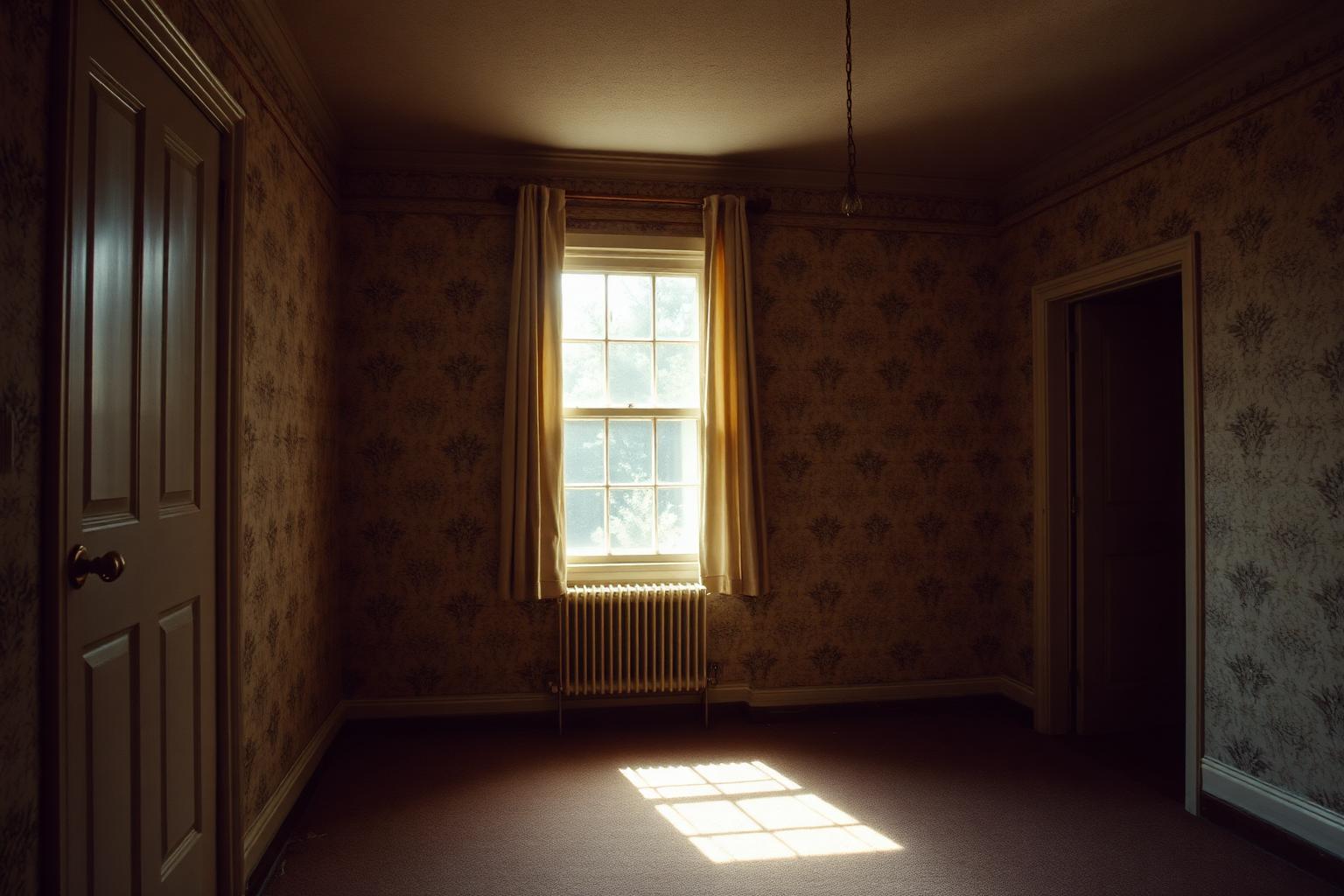
Several years ago, I returned to a house I had not seen for decades. The journey itself felt strangely ceremonial. I knew the route. I recognised the streets. The geography remained familiar. Yet as I approached the building, a peculiar sensation emerged. I realised I was not travelling toward a house. I was travelling toward a disagreement.
The disagreement existed between memory and reality.
And I already suspected reality would lose.
The house stood exactly where it always had. The walls remained. The windows remained. The roof remained. From a distance, nothing appeared unusual.
Yet the moment I saw it, I understood something unsettling. The house I had come to visit no longer existed. Or perhaps more accurately: it had never existed in the way I remembered it.
This is one of memory's most remarkable abilities. It transforms places without moving them. The physical structure remains unchanged. The remembered version evolves continuously. Over time, the remembered house becomes a parallel architecture built from emotion rather than brick.
The house survives. The memory constructs another. We spend our lives moving between the two.
Childhood houses occupy a unique position within human experience. They are often the first places we know completely. Long before we understand cities, countries or maps, we learn the geography of rooms. The distance from bed to doorway. The creak of a staircase. The sound of rain against a particular window. The location of shadows after sunset.
The house becomes a universe. Not metaphorically. Literally. For a child, the house often constitutes the entire known world. Everything beyond it remains speculative. Everything within it feels permanent.
Perhaps this is why childhood homes continue haunting us long after we leave. The house becomes more than architecture. It becomes a container for identity.
The philosopher Gaston Bachelard argued that houses are not simply places where we live. They are places where imagination learns to inhabit the world. A staircase becomes an adventure. An attic becomes a mystery. A bedroom becomes a kingdom. The house teaches us how to dream.
Long after the physical structure disappears, these imaginative rooms continue existing. Memory preserves them with surprising loyalty. Reality does not.
When I finally stood before the house, I experienced a strange inversion. The building appeared smaller. Not slightly smaller. Fundamentally smaller. The hallway that once seemed enormous now appeared narrow. The garden felt compressed. The ceilings lower. The distances shorter.
For a moment I wondered whether the building had been altered. Then I realised the truth. The house had remained constant. The scale of observation had changed. The child had disappeared. The measurements had not.
This is perhaps the first way memory creates parallel architecture. It preserves emotional dimensions rather than physical ones. Fear enlarges rooms. Wonder enlarges gardens. Loneliness enlarges corridors. Love enlarges kitchens. Memory records significance. Reality records size. The two rarely correspond.
Photography complicates this relationship further. We often imagine photographs helping us remember places accurately. In practice, they frequently deepen the mystery. A photograph confirms the existence of a room. It cannot restore the experience of inhabiting it. The image records appearance. The memory preserves atmosphere. One documents. The other interprets. Together they create a fascinating tension.
Several months after revisiting the house, I found an old photograph taken inside it. The image showed a room I recognised instantly. And yet I did not recognise it. The contradiction fascinated me.
The room matched reality more closely than memory. Yet memory felt more truthful. The photograph showed what the room looked like. Memory preserved what the room meant. The distinction felt crucial. Because meaning and appearance often diverge.
This may explain why people become emotional when returning to childhood locations. They are not revisiting places. They are confronting differences between remembered significance and physical reality. The house becomes evidence. The memory becomes interpretation. Neither fully replaces the other. Both continue existing simultaneously.
Family archives often intensify this phenomenon. Photographs of homes preserve fragments of domestic history. Curtains disappear. Furniture changes. Walls are repainted. Objects vanish. Yet something persists. Not the house itself. The emotional climate.
A photograph of a dining table may resurrect an entire atmosphere. A doorway may summon forgotten voices. A window may restore a season. The image functions less like documentation than invocation. The house briefly returns. Not physically. Psychologically.
This return is always incomplete. And perhaps that incompleteness is essential. Imagine recovering a house perfectly. Every room restored. Every object returned. Every detail preserved. Would the result satisfy us? I suspect not.
Because what we seek is rarely the house itself. What we seek is the self who once inhabited it. The child. The teenager. The earlier version. The house becomes a portal through which we attempt to revisit ourselves. The attempt inevitably fails. The failure inevitably teaches something.
Identity, like architecture, cannot remain unchanged. The self evolves. The house remains. The distance between them becomes visible. This distance interests me more than nostalgia. Nostalgia often seeks restoration. The distance reveals transformation.
Several years after revisiting the house, I stopped thinking about the building. Instead, I began thinking about absence. The most important rooms were not physical rooms. They were remembered rooms. The bedroom where fears first appeared. The hallway where important conversations occurred. The kitchen where ordinary moments accumulated unnoticed.
These spaces continued existing despite their physical alterations. The architecture had migrated. From reality into memory.
Perhaps every life contains such places. Houses that survive only internally. Rooms accessible only through recollection. Locations preserved not because they remain unchanged but because they continue generating meaning.
The remarkable thing is that these remembered places often outlive their physical counterparts. Buildings collapse. Families disperse. Neighbourhoods transform. Yet the remembered house persists. Not accurately. Not completely. But persistently.
The house that exists only in memory is therefore neither real nor imaginary. It occupies a territory between the two. Part architecture. Part autobiography. Part fiction. Part evidence. A structure continuously rebuilt through remembering.
And perhaps this is why we continue returning. Not to verify the past. Not to recover certainty. But to observe the ongoing conversation between place and identity. The house remains. The self changes. Memory stands between them. Building a third house from the distance. A house no map can locate. A house no photograph can fully capture. A house constructed entirely from time.
Parallax Letters
Receive new investigations by post.
Related Essays